Essential Urban Hazards for Pets and How to Identify Them
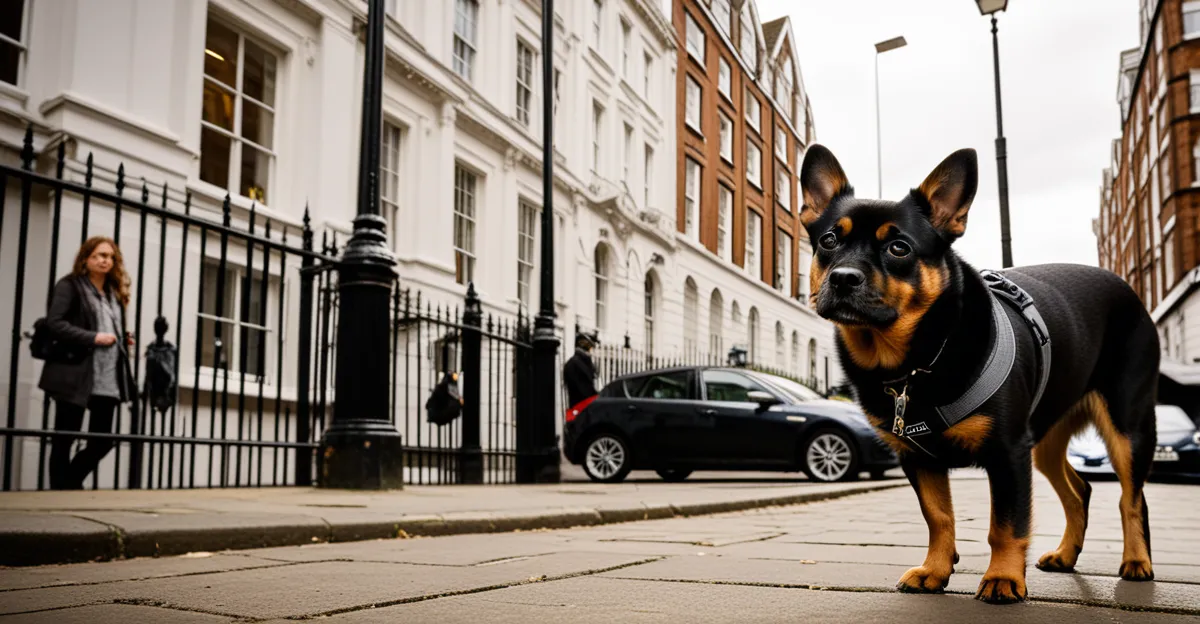
Pets living in UK urban environments face several unique challenges that owners must recognise. Urban pet hazards range from heavy traffic to exposure to hazardous substances like antifreeze or discarded litter. Traffic is a leading danger; busy streets increase the risk of accidents, especially when pets are off-leash or owners are distracted.
Besides physical threats, noise pollution, crowds, and general environmental stressors can cause agitation or distress in pets. Signs such as excessive panting, trembling, or trying to hide indicate discomfort. Recognising these reactions early helps prevent injuries or anxiety-related behaviour.
Also to discover : What are the top UK pet insurance options for comprehensive coverage?
Another important concern is pet theft, particularly in crowded or poorly lit areas. Thieves often target unattended or poorly supervised animals. High-density areas with lots of foot traffic can also induce stress or cause pets to bolt unexpectedly.
Real-life incidents in UK cities highlight these dangers. For example, dogs startled by loud noises have bolted into traffic, while accidental ingestion of toxins found on urban pavements has caused serious illness. Understanding these city dangers for pets and their signs enables owners to safeguard their animals effectively in busy urban settings.
In parallel : How Do UK Pet Ownership Trends Impact Local Communities?
Preparing for Walks and Navigating City Streets Safely
When it comes to pet walking safety in UK urban environments, understanding and complying with urban leash laws is crucial. These laws exist primarily to protect pets and pedestrians by keeping animals under control, especially in busy city areas. Walking your pet on a secure leash not only prevents them from darting into traffic but also reduces the chance of confrontations with other animals or people.
Safe street crossing techniques are essential. Always use designated crossings and wait for traffic signals. Teach your pet to pause at curbs and make eye contact with you before crossing. Avoid busy roads when possible; quieter side streets or pedestrian zones are better suited for safer walks. Awareness of your surroundings, including oncoming vehicles and cyclists, further enhances safety.
Choosing routes with minimal traffic and trustworthy parks in UK urban environments makes walks more enjoyable and less risky. Parks offer open spaces for exercise while reducing exposure to city dangers for pets such as heavy traffic or aggressive animals. Regularly changing your walking route also stimulates your pet mentally and physically.
Implementing these steps not only complies with urban leash laws but greatly diminishes exposure to urban pet hazards, ensuring every walk is both safe and pleasant.
Preventing Pet Theft and Managing Crowds in Public Areas
In UK urban environments, pet theft prevention is a top priority, especially in crowded public areas where animals can become easy targets. Thieves often exploit distractions or moments when pets are unattended. To reduce this risk, always maintain pet safety in crowds by keeping your animal close, ideally on a secure leash or harness. Avoid leaving pets unattended, even briefly, near busy streets or marketplaces.
Microchipping is a critical tool for protecting pets in cities. It allows quick identification and retrieval if a pet goes missing. UK regulations support microchipping for all dogs, and registering your pet’s details with a reliable database ensures the best chance of recovery. Additionally, using collars with ID tags displaying contact information strengthens pet theft prevention efforts.
When navigating crowded urban settings, remain vigilant to signs of distress or danger, such as sudden pulling or nervous behaviour. Planning routes through less congested areas and scheduling walks during quieter times helps maintain control and comfort. Combining awareness, microchipping, and careful supervision significantly enhances pet safety in crowds, reducing the likelihood of theft and keeping pets secure in city environments.